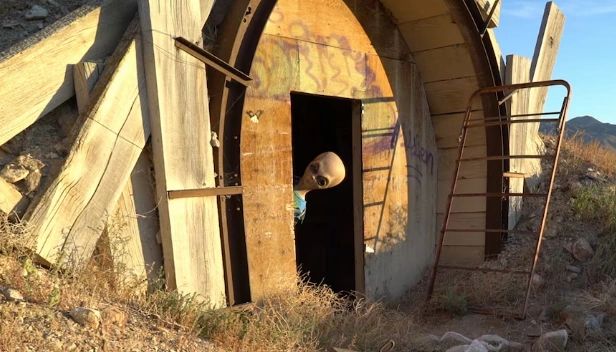
Memory metals, also known in modern industry as shape memory alloys (SMAs), have a fascinating history that dates back to the early 20th century. The phenomenon was first observed in 1932 by Arne Olander, who noticed the unique properties of a special gold-cadmium alloy. However, it wasn't until 1
Memory metals, also known in modern industry as shape memory alloys (SMAs), have a fascinating history that dates back to the early 20th century. The phenomenon was first observed in 1932 by Arne Olander, who noticed the unique properties of a special gold-cadmium alloy. However, it wasn't until 1962 that the modern understanding of memory metals took shape. They are credited to military researchers working at the U.S. Naval Ordnance Laboratory in Washington D.C. They discovered the remarkable shape memory effects in a nickel-titanium alloy that they later named Nitinol. This discovery paved the way for widespread research and applications in various fields, including medical devices, aerospace, and robotics.
Unofficially, UAP enthusiasts track these metals to Roswell, N.M. in the famous crash in 1947. It seems very unlikely that Mac Brazel, a rancher with no advanced education, was able to describe the actions of these metals at the time of the discovery for what the Army later stated was only a “weather balloon.”
Mac Brazel and later Major Jesse Marcel, from the Roswell Army Air Field, initially described the bizarre metals they found at the Roswell crash site as being unlike anything they had seen before. They noted that the debris included pieces of very lightweight metallic materials that was very strong yet extremely flexible. Major Marcel mentioned that some of the metal could not be dented, burned, or broken, even when subjected to force, and that it would always return to its original shape after being crumpled. These unusual properties made the material stand out compared to conventional metals known at the time.
It is curious that a rancher in New Mexico could describe this amazing material fifteen years before the Navy did!


Join Forbidden Realms With Gary Anderson where the strange, the hidden, and the impossible reveal themselves. If you enjoy traveling into the unknown, you can support the show On YouTube for just $1.49 a month! just click o join on our YouTube Channel Page—your help keeps this gateway to the paranormal open. I’ve been broadcasting since 1970, carrying forward the spirit of my late friend Art Bell, keeping true talk radio alive worldwide. Each episode pulls you deeper into UFO mysteries, cryptids, earth changes, conspiracies, and the darkest corners of the paranormal. Dare to explore what others fear to even whisper. Join the Forbidden Realms family.

A real UFO photo usually comes with contextmultiple witnesses, a clear timeline, original files with intact metadata, and consistency with radar or other sensor data. Fake images fall apart fast: they’re often over-sharpened, lack scale or reference points, reuse old hoaxes, or appear without a verifiable source just a dramatic story and no trail.
People spread fake UFO material for the same reason tabloids always have: attention, control of the narrative, or money. In ufology, mystery is currency confusion keeps clicks coming, discredits serious cases, and ensures that when something truly unexplained appears, it’s buried under noise instead of examined.

In the early 1950s, ufology really took shape as a public phenomenon.
After the 1947 Roswell incident and Kenneth Arnold’s flying saucer sighting, reports of strange objects in the sky exploded. The Korean War and the start of the Cold War added fear and urgency people wondered if UFOs were Soviet technology, secret U.S. aircraft, or something non human.
The U.S. Air Force responded with investigations like Project Sign (1948) and Project Grudge (1949), which were cautious but skeptical. In 1952, things peaked when UFOs were reported over Washington, D.C., prompting press conferences and public panic. That led to Project Blue Book, aiming to calm the public and explain sightings as weather balloons, aircraft, or misidentifications—though not everyone was convinced.
By the mid-50s, ufology split into two paths: official debunking and civilian researchers who believed something extraordinary was being hidden. That divide still defines the field today.

Throughout the history of ufology, especially from the 1950s onward, sensational tabloid-style publications weekly papers, supermarket headlines, and later online click-driven outlets—have played a major role in muddying the waters. Their business model depends on shock, fear, and novelty, not accuracy. UFO stories were perfect: mysterious, hard to disprove, and emotionally charged. By exaggerating sightings, inventing “insider sources,” or blending real cases with outright fiction, these outlets guaranteed attention and sales, even if the information was false or misleading.
The damage was twofold. First, it discredited legitimate researchers and witnesses by surrounding real, unresolved cases with absurd claims. Second, it created a public perception that all UFO reporting was unreliable, making serious inquiry easier to dismiss. Whether driven by profit, influence, or simple notoriety, these publications helped turn ufology into a cultural sideshow one where truth became harder to separate from entertainment, and skepticism became the default response.

Greene County, Pennsylvania is a remarkable place with an untold and equally remarkable history that include trues stories of the unexplained. Much of that history is skewed by opinion, theory, philosophy, dogma, attitude, and values: in other words, politics. We're constantly surrounded by spirit world entities which we either cannot see, refuse to see, or only catch glimpses of. The spirit world has become a prepackaged commodity, and there is a "keeping up with the paranormal Joneses" mentality that requires expensive gadgets and travel to research or experience the unknown. Like food on the table, the spirit world is best experienced locally. Return to Greene County, Pennsylvania with Haunted Hills and Hollows author Kevin Paul for more stories of high strangeness from the southwest corner of the Keystone State. Haunted buildings and bridges, mysterious lights within buildings and in the skies, frightening cryptids, time slips, disclosure, and more. Eyewitness accounts, personal experiences, retrocognition, intuitive exploration, and old fashioned leg work provide readers another look into Greene County's liminal spaces and the common thread that may tie it all together


01/48


NIGHT DREAMS BROADCASTING NETWORK (C) 2017-2025
Night Dreams Forbidden Realms (C) 2025-2026
Night Dreams Talk Radio (C) 2016-2025-2026
Night Dreams (C) 2017-2025-2026
Night Dreams Talk Radio (C) 2016-2025-2026
Night Dreams With Gary (C) 2016-2025-2026
Night Dreams Talk Radio With Gary (C) 201-2025-2026
All Names Are The Property And Trademake Of Gary Anderson/Night Dreams Talk Radio Network
WEB LAYOUT KEVIN ANDERSON (C) 2016-2024